Public health

The health of sixty million people.

Public health is about populations rather than individual patients: how long people live, how well, and how fairly health is shared. Italy has one of the highest life expectancies in the world, alongside an ageing population, rising chronic disease, growing mental-health needs and wide regional differences.

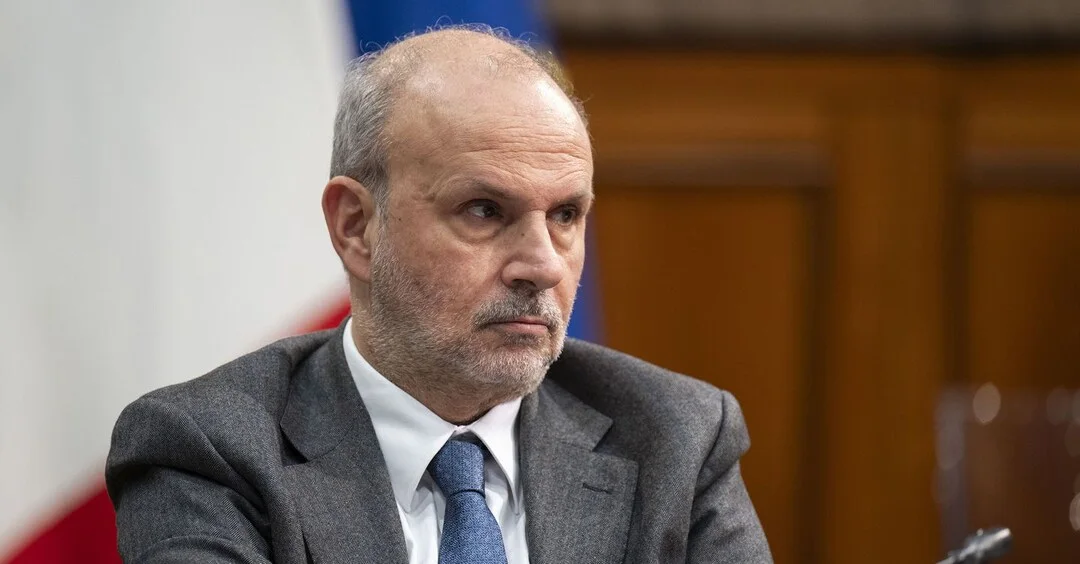
Orazio Schillaci in a grey suit listening attentively during an institutional session, with the Italian flag to his side
Orazio Schillaci during an institutional session.

In numbers

Three figures that shape the agenda.

1in4Italian residents are aged 65 or over, among the highest shares in the world.Source: ISTAT demographic indicators
1,700+People who go to an emergency department every day for psychiatric disorders, according to the Minister.Source: Minister of Health, via Quotidiano Sanità
€1.1bnAllocated by the government for prevention, laboratory capacity and strategic stockpiles under the Pandemic Plan 2025–2029.Source: Minister of Health, April 2026

Mental health

A plan after more than a decade.

Italy pioneered community psychiatry with the 1978 law that closed its psychiatric hospitals, but by the 2020s services were stretched, uneven across regions and under strain from rising demand among young people. The Minister has described mental health as "the great challenge of our time".

The National Action Plan for Mental Health 2025–2030 (PANSM) was approved by the Unified Conference of the State, regions and local authorities. In the Minister's words it updated "a strategic document" after more than ten years, and "mental health returns to the political agenda". The plan aims to reduce territorial inequalities and fragmented care pathways. It strengthens Mental Health Departments as coordination hubs, improves continuity of care in the transition from child to adult services, and introduces the primary-care psychologist (psicologo di base) for early intervention close to home.

Funding is set at €80 million for 2026, €85 million for 2027 and €90 million for 2028, then €30 million a year from 2029 on a structural basis, plus €30 million a year for staff. In June 2026 the Minister said he had signed the decree allocating the funds to the regions, with "a regular, targeted monitoring system" for access to resources. That month he also opened a discussion on the plan's implementation in the Senate, naming prevention, early care, women and young people as priorities.
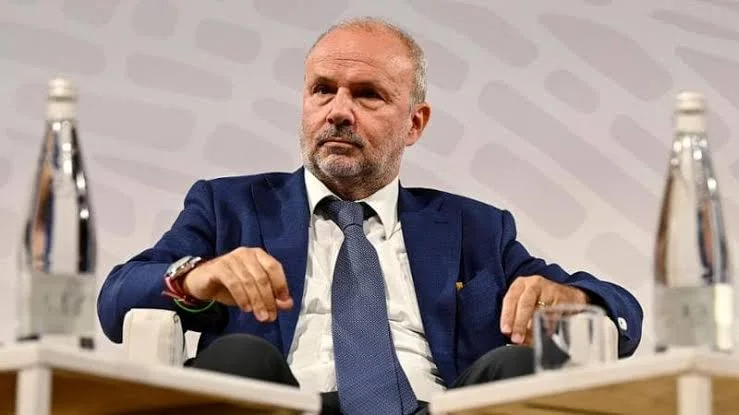
Orazio Schillaci seated in an armchair on a conference stage during a panel discussion, with water bottles on side tables
Taking part in a panel discussion.

Preparedness

The Pandemic Plan 2025–2029.

COVID-19 exposed gaps in surveillance, stockpiles and coordination between national and regional levels. The Pandemic Plan 2025–2029, approved by the State–Regions Conference in April 2026, replaces the 2021–2023 plan. It lasts five years and takes a single approach to respiratory pandemics with different epidemiological characteristics, rather than planning pathogen by pathogen.

The plan includes the digitalisation of epidemiological monitoring, better use of data for prevention, stronger surveillance platforms and flexible protocols, organised in operational phases with defined actions and responsibilities. The Minister called its approval "an important political, technical and institutional result".

Preparedness is also international. As G7 host in 2024, Italy put the global health architecture and pandemic prevention, preparedness and response at the top of the health agenda. See International Health.

One Health

People, animals and environment.

The One Health approach recognises that human health depends on animal health and the environment. Italy has long combined human and veterinary public health within the same ministry, an arrangement that suits this approach.

At the G7 in Ancona the health ministers discussed One Health and antimicrobial resistance, which the Minister called "a silent war that requires new weapons to combat it". Italy committed $21 million to research and development of new antibiotics.

Public health themes

The wider agenda.

Ageing population

Living longer, living well

Life expectancy in Italy is among the highest in the world, and about a quarter of residents are 65 or older. The aim is to turn extra years into healthy years. At the UN in 2023 the Minister described healthy ageing and lifelong prevention as "among the most pressing health needs". Healthy and active ageing was one of the G7 health themes under Italy's presidency.

Chronic disease

The long-term burden

Cardiovascular disease, cancer, diabetes and chronic respiratory disease account for most deaths and much of SSN spending. Community-based care under the PNRR is designed to manage them outside hospital.

Vaccination

Life-course immunisation

The National Vaccine Prevention Plan sets the immunisation calendar from infancy to old age. According to Il Sole 24 Ore, about €750 million was allocated to vaccinations in 2024.

Maternal & child

From the first days of life

The 2026 update of the essential levels of care extends neonatal screening, among about 800 changes, so that every newborn is covered regardless of region.

Inequalities

A right that cannot depend on postcode

"The right to healthcare must be truly guaranteed to everyone; it cannot depend on one's place of residence," the Minister said in June 2026.

Lifestyle risks

Diet, activity, tobacco, alcohol

Behavioural risks drive much chronic disease. National prevention plans address them through school, workplace and community programmes. See Prevention.

Environmental health

Climate and health

Heat waves, air quality and climate-sensitive infections are a growing concern for Mediterranean countries. The One Health approach links them to human, animal and ecosystem health.

Emerging challenges

Antimicrobial resistance and new threats

Italy has one of the highest rates of antimicrobial resistance in Europe. Its 2024 G7 commitment to antibiotic research and its national pandemic planning address risks that cross borders and sectors.